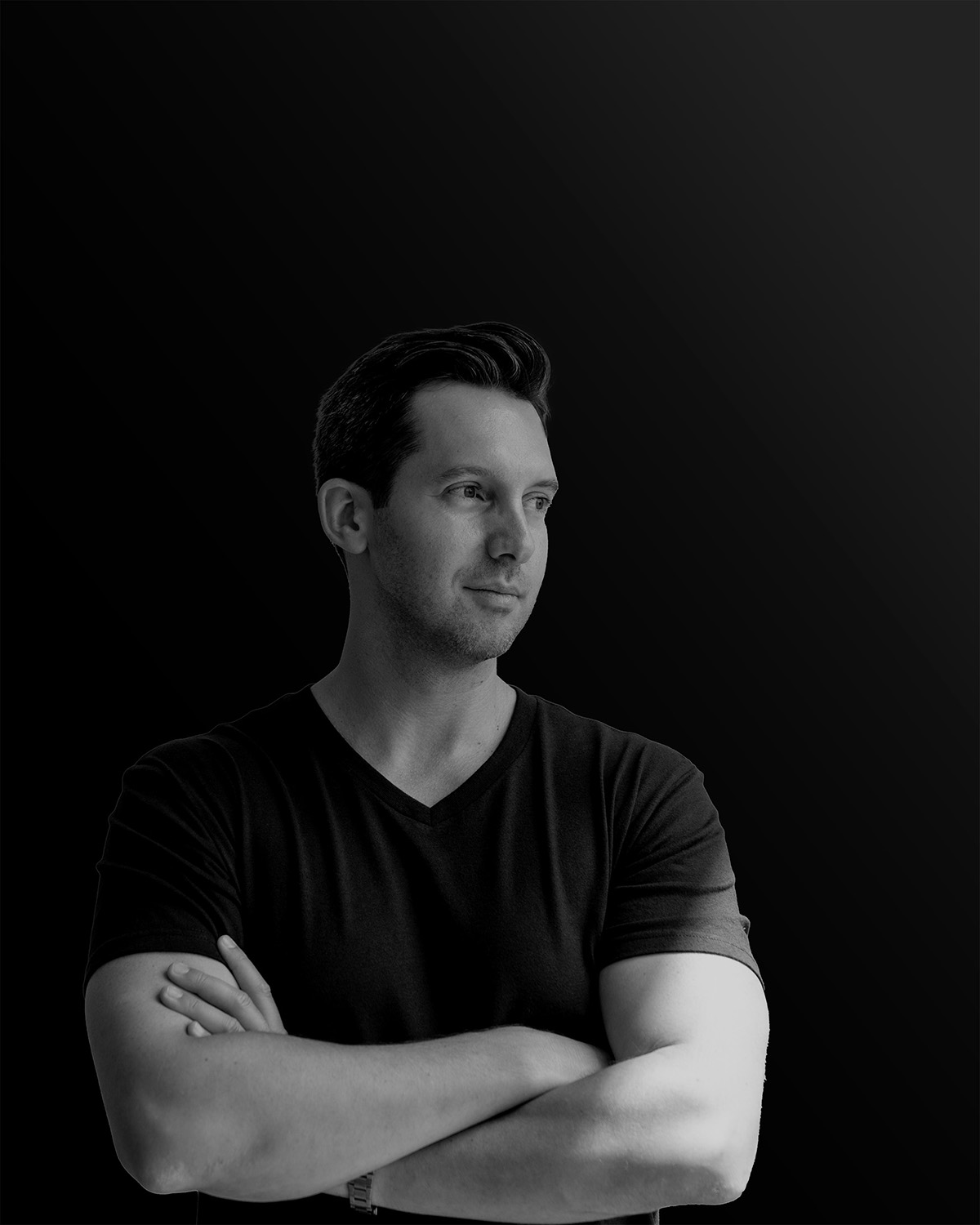
Twenty years of building digital businesses. Now rebuilding them with AI.
I've been in digital publishing for 20 years, and AI is the biggest shift I've seen since Google changed how ads work. I'm building with it and figuring out what comes next.
Three chapters. One thread.
Three chapters across twenty years, four continents, and one constant: keep exploring.
Google taught me to operate at scale. mOOnshot taught me to build without a safety net. AI is teaching me both, again, from zero.
Where I'm from.
I grew up in Belgium, studied in Brussels, and spent my twenties trying to figure out what I wanted to build. The answer came in 2006 when Google offered me a role in Dublin. The company was 12,000 people. No one in my family understood what the job was. I took it anyway.
Dublin became Singapore. Singapore became the launchpad for a decade-long career that took me across four continents. Belgium, Ireland, Singapore, and eventually Dubai, where I've lived since 2022.
Moving that much shaped how I think about building businesses. Every market is different. What works in Europe fails in Asia. What scales in the US won't land in the Middle East. I've learned that by doing it.
The Google decade.
I joined Google when the company still felt like a startup that happened to be enormous. Free food, massage rooms, the works. Over ten years I moved from Europe to Asia and took on increasingly larger responsibilities, eventually leading a 25-person global team managing a $1B+ advertising operations business across four continents.
The recognitions were generous. A Platinum Award for Strategic Impact, a BeGoogle Award, five Gold Awards, and 47 peer awards. I'm proud of those. But what I value most from the Google years is the operating discipline. The kind you only internalise by running a P&L at that scale for that long. It shaped how I've built ever since.
I also completed an executive MBA through Duke's Fuqua School of Business during this period. The programme gave me the strategic frameworks. Google gave me the operational muscle. The combination of both is what I took into entrepreneurship.
By 2016, I felt that I'd stopped learning. The comfort was real, but so was the restlessness. I spent months preparing for the transition. I had a baby on the way, a comfortable salary, and no guarantee that my business would work. But staying would have been harder in the long run.
Building mOOnshot digital.
In 2017, my wife and I co-founded mOOnshot digital . We bootstrapped a portfolio of online publications from zero to $80M+ in cumulative sales, reaching 100M+ users, with 90%+ profit margins. All without raising a dollar.
That was a deliberate decision from the get-go. When you don't have someone else's money to burn, you get very good at making every decision count. We were profitable from day one across all ventures. One property sold to a private investment group at a 4.5x valuation.
The agency side of mOOnshot digital served brands from prestigious groups such as LVMH, Richemont, Kering, Stellantis, L'Oréal, Ralph Lauren, and EMAAR. Working with premium brands taught us when to say less.
Just before COVID, we made a bet that defined the company. We decided to spend our entire monthly profits to hire professional writers. I reviewed over 800 applications in a week, interviewed 50 people, onboarded 30, and we ended up with 15 confirmed hires. Six weeks later we were profitable. Six months later, revenue had 10x'd with 90% profit margins.
Being profitable from the start gave us incredible flexibility and peace of mind. We could focus on what drives results instead of chasing investors and building pitch decks. Total control of our time. Very few meetings, by design.
Building with AI.
When readers started turning to AI chatbots for the information they used to find on our websites, revenue declined and we had to act. We radically streamlined our team to a small number of operators managing a set of AI agents. The infrastructure now covers market research, writing, editorial review, SEO, GEO, and programming, at an estimated 90%+ lower cost.
While we dramatically lowered our costs and protected our profit margins, revenue remains lower than before. Organic traffic isn't what it used to be. I don't think we've cracked the new model yet.
Today I spend most of my time coding with AI agents, building AI-powered applications and businesses from scratch. It's a mix of strategic and tactical, high-level design and hands-on coding. I love both sides of it.
Every project shows what AI can and can't do, where it saves time, where it breaks, and what it actually takes to go from prototype to production.
Zero-Base Operations
This is my system to incorporate AI into existing operations or build new business from scatch with AI as a foundation.
-
Start profitable.
Healthy margins from day one, no outside money. AI has removed the need for large start-up capital.
-
Start with the idea, refine with AI.
The idea and expertise are yours, but AI shortens the path from conception to implementation.
-
AI as the operating system.
Rethink your business with AI from the start. Don't try to force AI onto old infrastructures. Redesign the team around what AI actually changes.
-
Human experience is the moat.
AI models converge to the same output. Human experience, opinions, and data are what sets you apart.
People I worked with.
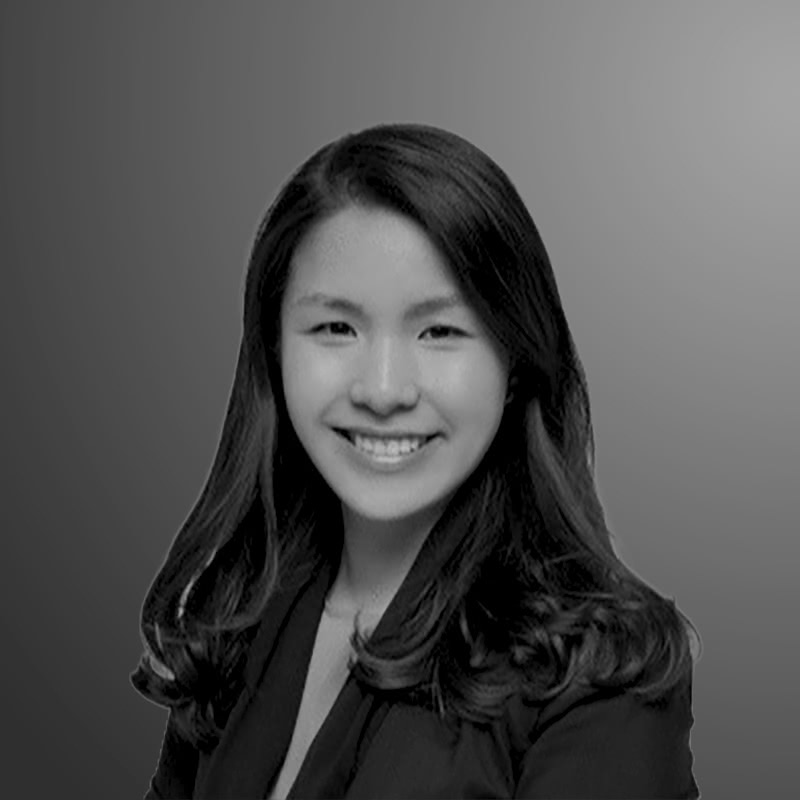
Hye In Kim
APAC Growth Lead, Google Play Games
“He cares about people very much and he also knows how to push people beyond their comfort zone.”
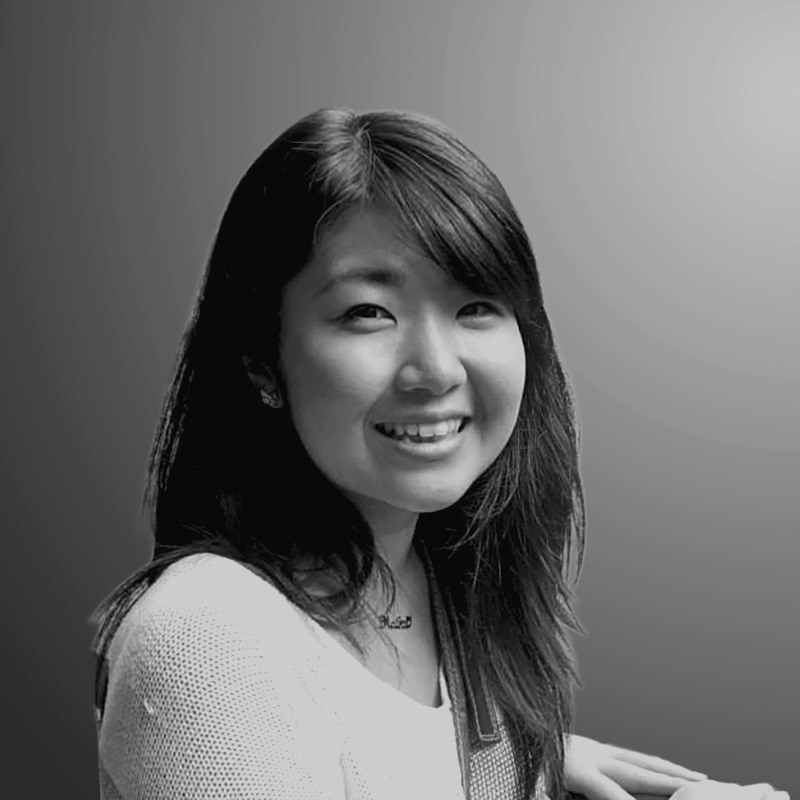
Maiko Fujita
Consumer Marketing Manager
“Simon had led the team by showing clear vision and goals, always giving actionable feedback.”

Pratik V Udeshi
Head of Amazon Ads, Asia-Pacific
“Simon also has very good product knowledge and displays an amazing sense of ownership towards all his projects.”
What I'm looking for.
Open to: Senior executive roles · Board seats · Advisory · Business partnerships
I'm most interested in projects that bridge AI research and business application. I help institutions and businesses apply that research to how they actually operate and grow.
What I bring: twenty years of global operating experience, a decade managing billion-dollar operations at Google, a decade building and running my own profitable media business, and the daily practice of building production AI systems in code.
If you're working in the same space at an institution, a high-growth company, or quietly on your own, I'd love to hear from you.
Most websites are written for humans.
This one is built for AI agents too.
I'm treating this website as a sandbox for building the web for two readers at once: humans and the AI agents acting on their behalf.
Here's what that looks like in practice. Every article has a plain-text equivalent
named /llms.txt. Every glossary term gets a unique and
stable @id URL so AI agents understand how to reference
it. Press entries appear twice in JSON-LD: as standalone articles
and as citation arrays. The Copy-page menu visible to humans
actually does more work in the background to pass on an article
together with additional context to ChatGPT or Claude in one click.
And every network response carries a Link header
explaining the site's own surfaces.
None of this is a web standard yet, but my hope is that it will be as AI agents become more prevalent on the web.
If you're curious about the details, you can explore the site with an agent or check out the colophon for a full breakdown of the AI-friendly architecture and design choices.
Here are some examples of these agent-readable surfaces you can find across the site today:
llms.txtllms-full.txtagent-skillsai-policy.txt- colophon → How this site is built — under the hood.
As covered by humans and AIs.
- Gemini16
- Perplexity13
- ChatGPT12
- Google AI10
- Copilot3